We will spend most of our time on real world toxicity management – unpacking issues like diarrhoea, skin changes, hyperglycaemia, fatigue and other common adverse effects – and translating trial data into everyday nursing assessments, monitoring and patient education.
Through case based discussion, our speakers will explore how nurses can help patients stay on treatment for as long as it is beneficial, when to escalate or seek dose modification, and how to communicate clearly with the multidisciplinary team. While we will reference TRUQAP as an example, the focus will be on practical, transferable skills for nurses caring for people receiving modern targeted therapies for metastatic breast cancer.
Learning objectives
By the end of this webinar, participants will be able to:
- Describe where newer targeted oral therapies fit within the treatment pathway for HR positive, HER2 negative metastatic breast cancer.
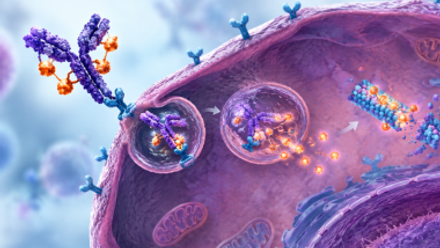
- Explain in plain language how this class of drugs works and how this links to its expected benefits and side effect profile.
- Recognise the most common and clinically important toxicities associated with this treatment approach, including gastrointestinal, metabolic, skin and haematological effects.
- Apply practical nursing strategies for baseline assessment, monitoring and early intervention to prevent or minimise treatment related toxicities.
- Provide clear, person centred education to patients and families about what to expect, red flags to watch for and when to contact the treating team.
- Collaborate effectively with the multidisciplinary team around dose interruptions or modifications, escalation of care and shared decision making to optimise patient outcomes and quality of life.
Speakers

Gillian Kruss