In collaboration with

Speakers
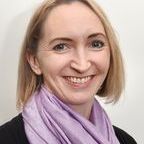
Dr Teresa Brown
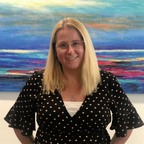
Jen Mackay
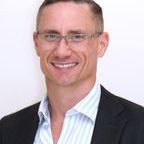
Associate Professor Lachlan McDowell
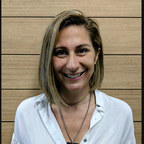
Stella Salpigtidis
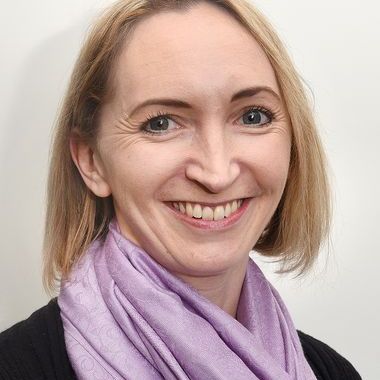
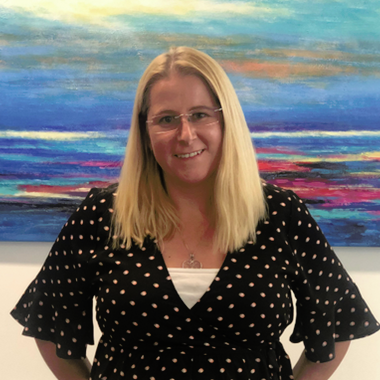
Jen Mackay is a powerful consumer advocate for the Head and Neck Cancer community. Diagnosed with tongue cancer at the age of 44 after multiple visits to health professionals before receiving a definitive referral, Jen’s journey highlights the very real challenges many people face in achieving timely Head and Neck Cancer diagnosis. Following extensive surgery and treatment, Jen has been open about the long-term physical and financial impacts of Head and Neck Cancer, sharing her story to inform policymakers and the broader community about the importance of early detection and equitable access to post-treatment care.
Jen is a valued member of Head and Neck Cancer Australia's Community Advisory Committee and regularly joins HANCA in meetings with federal members of parliament, lending her voice to calls for improved federal funding and better support for people living with long term impacts. Jen has also featured in national media stories, sharing her lived experience of funding gaps for essential post-treatment care and rehabilitation. You can read Jen's story and watch her videos here: Jen Mackay | Head and Neck Cancer Australia
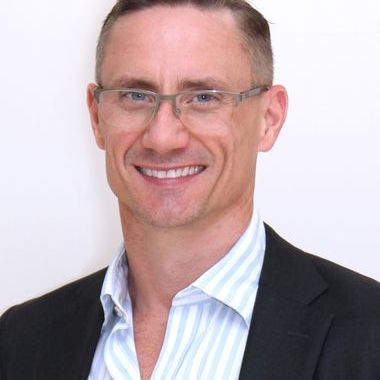
Associate Professor Lachlan McDowell is a radiation oncologist at the Princess Alexandra Hospital in Brisbane, specialising in head and neck and cutaneous malignancies. He completed radiation oncology training at the Peter MacCallum Cancer Centre, followed by a clinical and research fellowship in head and neck oncology and radiation late effects at the Princess Margaret Hospital in Toronto.
Prior to his appointment in Brisbane, he worked for six years as a consultant radiation oncologist at Peter MacCallum Cancer Centre. In 2024, he was awarded a PhD from the University of Melbourne, investigating health-related quality of life and unmet needs in patients with HPV-associated oropharyngeal cancer, for which he received the Dean’s Award for Postgraduate Research. That same year, he received the Trans Tasman Radiation Oncology Group (TROG) Emerging Researcher Award.
Associate Professor McDowell currently serves as Head and Neck Section Editor for the International Journal of Radiation Oncology · Biology · Physics (Red Journal) and as Chair of the TROG Head and Neck and Skin Working Party. He also represents TROG on the Board of the Head and Neck Cancer International Group (HNCIG), where he contributes to the Guidelines and Protocols Subcommittee and previously chaired the Young Investigator Subcommittee.
He has authored more than 90 peer-reviewed publications and maintains an active clinical–academic program focused on survivorship, quality of life, and late effects in head and neck cancer.
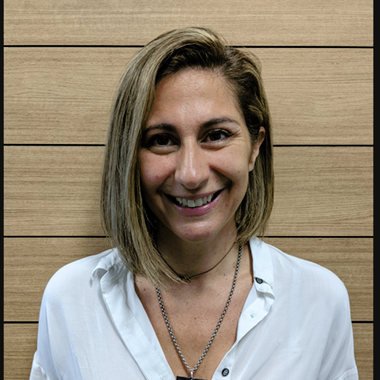
Stella Salpigtidis is a senior speech pathologist at Peter MacCallum Cancer Centre with over 20 years of experience in head and neck cancer care. She has specialised training in head and neck lymphoedema (HNL) and established a speech pathology-led HNL service across two Peter Mac campuses. Stella’s work focuses on assessing and managing internal and external lymphoedema to improve swallowing and voice outcomes post-cancer. In 2024, she was awarded an Australasian Lymphology Association Early-Career Research Grant to investigate the feasibility and impact of speech pathology-led lymphoedema assessment and therapy, with results informing future clinical trials. Stella is passionate about patient-centred care, survivorship, mentoring, and advancing evidence-based practice in multidisciplinary head and neck cancer management.
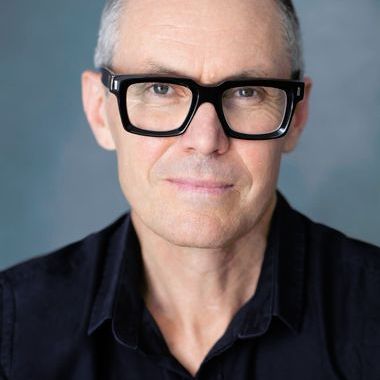
Simon van der Stap is a Counsellor, Psychotherapist and Counselling Academic Tutor. He holds a Master of Counselling and Psychotherapy and a Graduate Diploma of Counselling, both from the Australian College of Applied Psychology, and has a special interest in supporting the mental health of people with Head and Neck cancer. In supporting patients and their families, Simon helps people to manage the ‘emotional rollercoaster’ of a cancer diagnosis and treatment with practical strategies for dealing with anxiety, intrusive thoughts, fears of cancer recurrence, and the difficult changes to speech, appearance and numerous other concerns. He enjoys helping people continue to do what is meaningful and important in their lives, despite the significant disruption caused by Head and Neck cancer.
Simon has also worked extensively in Alcohol and Other Drugs, as well as in his private practice, focusing on substance use, anxiety and depressive disorders, communication and skills training, and managing life-changing events. He uses an integrated approach which includes Cognitive Behavioural Therapy, Acceptance and Commitment Therapy and Person-Centred Therapy.
In a previous life, Simon was a professional actor for 30 years on the national and international stage, and is a graduate of NIDA. He has just completed a research degree at the University of Sydney on stage fright for Australian theatre actors, and in 2026 is set to commence a PhD focusing on substance use and stage fright for Australian stand-up comedians.