
Cancer Nurses Society of Australia Annual Report 2025-2026
Executive Reports
President Report
It is with great pride that I present the 2025–26 Annual Report for the Cancer Nurses Society of Australia.
This year has reinforced the importance of CNSA’s role as the national voice for cancer nurses. Across Australia, cancer nurses continue to deliver skilled, compassionate and complex care across the full cancer continuum. Cancer nurses are central to patient education, treatment safety, navigation, symptom management, survivorship, research translation, and the delivery of equitable care.
CNSA’s advocacy agenda continued to strengthen. We supported national conversations on workforce, scope of practice, nurse-led models of care, cancer navigation, survivorship and advanced practice. An important development during the year was the amended PBS listing of oncology and haematology medicines for Nurse Practitioner prescribing, strengthening the ability of Cancer Nurse Practitioners to deliver timely and comprehensive cancer care.
We have also seen important progress in strengthening the evidence base for cancer nursing. CNSA continued to monitor the National Health Workforce Dataset, which shows 8,234 nurses registered and employed in Australia working in cancer care in 2024. This represents a steady increase from 6,825 in 2021 and provides important evidence for workforce planning, advocacy and succession planning, with CNSA now investing in a workforce mapping dashboard to make this data even richer.
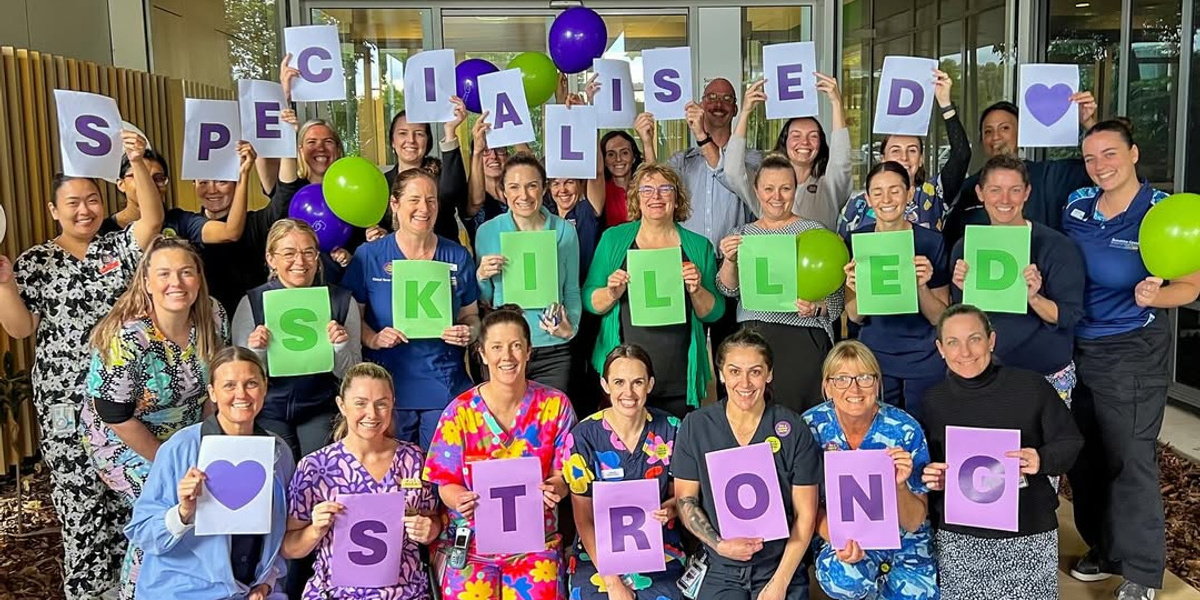
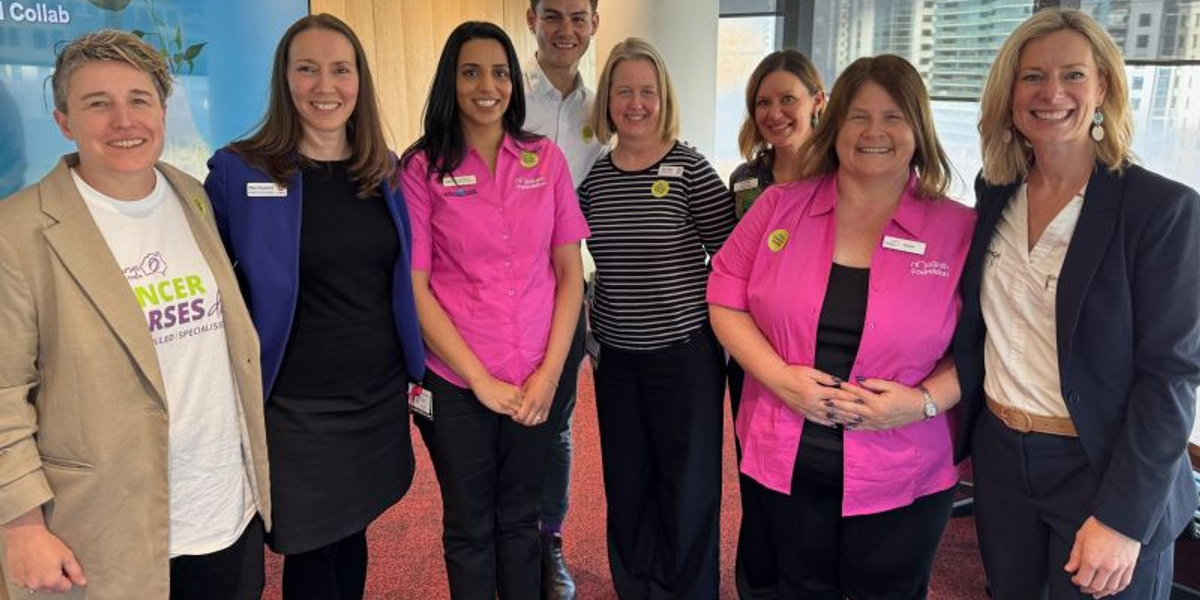
We also continued to invest in the professional identity of cancer nurses. Cancer Nurses Day returned in August 2025, giving nurses across the country a visible and meaningful way to celebrate their role. The Hon Rebecca White MP, Assistant Minister for Health, Disability and Aging, shared a message of support for cancer nurses on the day, and also visited Alfred Health to meet with frontline cancer nurses and clinical researchers. CNSA promoted the day through workplace host kits, campaign messaging and social media engagement, with more than 300 celebration kits distributed ahead of the day. The message remained clear: cancer nurses are strong, skilled and specialised.
Congress was another major highlight. The 2025 CNSA and ISNCC Congress in Adelaide brought together cancer nurses from across Australia and around the world to connect, learn and lead. Delegates engaged in expert keynotes, practical workshops and discussions spanning the breadth of cancer care. The Congress also celebrated excellence, including Life Membership awarded to Gabrielle Prest, MooGoo Scholarships awarded to five recipients, and international recognition of Beth Ivimey OAM and Mary Duffy OAM through Global Lung Cancer Coalition Special Recognition Awards.
As we look ahead, CNSA is entering an important period of consolidation and leadership. The Australian Cancer Nursing Çapability Framework, the Cancer Nursing Education Portal, the 2025 Workforce Survey and our growing Communities of Practice all provide practical mechanisms to support the profession. Together, they will help strengthen capability, improve consistency, and ensure cancer nurses are recognised as essential to better outcomes for people affected by cancer.
To our members, volunteers, committees, Specialist Practice Networks, State Groups, partners, Board of Directors and National Office team, thank you. Your commitment continues to shape CNSA’s impact and future.
Anne Mellon
CNSA President
CEO Report
Chief Executive Officer's Report
The 2025–2026 reporting period has been one of significant growth, collaboration and impact for the Cancer Nurses Society of Australia (CNSA). As I reflect on the year, what stands out most is the strength, engagement and generosity of our community. Today, CNSA is more than 2,300 members strong, representing a profession committed to learning, supporting one another and continually improving care for people affected by cancer.
Education remains at the centre of everything we do. Throughout the year, CNSA delivered an extensive program of professional development opportunities designed to support cancer nurses across all stages of their careers. During the reporting period, almost 60 educational events were delivered, including webinars, workshops, State Group events, Specialist Practice Network activities and educational forums. Collectively, these activities attracted more than 5,700 attendances and provided over 100 hours of continuing professional development opportunities.
Importantly, these opportunities were not concentrated in one city or one state. Through our State Groups and national online programs, education was delivered across metropolitan, regional and remote Australia, ensuring nurses could access high-quality learning and professional connection regardless of where they live or work.
Our webinar program continues to be one of the most valued benefits of CNSA membership. Throughout the year, topics ranged from immunotherapy, targeted therapies and genomics through to survivorship, supportive care, communication, symptom management and emerging models of care. Several webinars attracted more than 200 participants, demonstrating the ongoing demand for accessible, contemporary cancer nursing education.
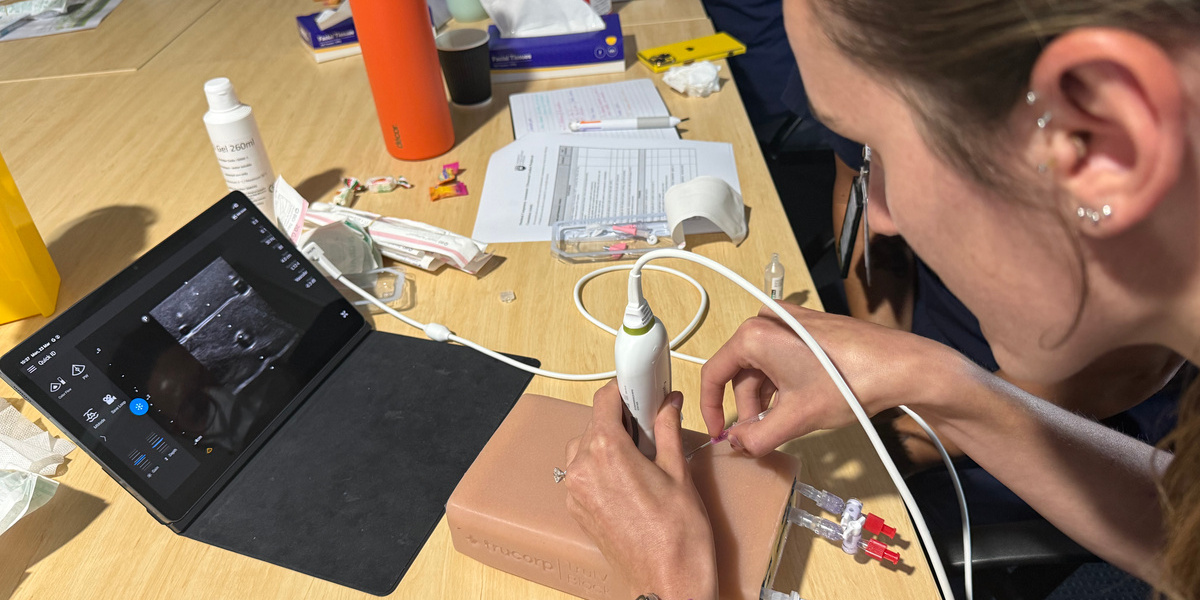
Face-to-face education also continued to grow in both reach and impact. The DIVA Workshop program, delivered in collaboration with the University of Wollongong, continued to build capability in difficult venous access and ultrasound-guided peripheral cannulation. With a deliberate focus on supporting nurses in regional and remote settings, these workshops have become one of CNSA's most highly regarded educational offerings and exemplify the practical, hands-on learning opportunities valued by our members.
Supporting nurses entering the profession remains a key priority for CNSA. Our Early Career membership category has continued to grow, with more than 300 nurses now part of the CNSA community within their first five years of cancer nursing practice. This growth is encouraging for the future of the profession and highlights the increasing demand for support, connection and professional development opportunities early in a nurse's career.
To help meet this need, CNSA launched the Cancer Nursing 101 series in 2025. Designed as a two-year educational program, the series aims to build essential knowledge and skills, create a safe environment for nurses to ask questions, connect participants with experienced cancer nurses and support the growth of professional networks. Each month, nurses learn alongside peers at a similar stage of their journey, whether they are strengthening foundational knowledge or exploring a specific area of practice. The strong engagement with this program reinforces the importance of structured education pathways that build confidence and capability within the workforce.
Supporting early career nurses is not simply about education; it is about ensuring the future sustainability of the cancer nursing workforce. By investing in nurses at the beginning of their careers, we are investing in the future of cancer care in Australia. This commitment extends beyond education through our mentoring program, which successfully matched 23 mentor-mentee pairs at the end of March 2026. These relationships provide emerging nurses with access to guidance, encouragement and professional support as they navigate their careers in cancer nursing.
Alongside education delivery, CNSA has continued to invest in the long-term development of the profession.
A major area of work during the reporting period has been the National Cancer Nurse Education Portal. CNSA is leading this multi-phase national project to create a centralised repository for cancer-specific professional development in Australia. The portal is designed to help nurses easily identify education relevant to their practice, role and career stage, supported by a searchable and accessible digital platform. This important initiative forms part of the Australian Government's Cancer Patient Support Program under the Australian Cancer Nursing and Navigation Program.
We also continued the redevelopment of the Australian Cancer Nursing Capability Framework in partnership with Flinders University. Over the past 12 months, cancer nurses from across Australia have contributed to consultation and Delphi activities to help define the capabilities required across contemporary cancer nursing practice. This work will play a critical role in supporting career development, workforce planning, education and service design and represents one of the most significant investments in the future of cancer nursing capability in Australia.
Our Communities of Practice continued to grow in both reach and influence throughout the year. These communities have become invaluable forums for peer support, networking, knowledge exchange and leadership development. Whether focused on survivorship, melanoma, breast cancer, rare cancers, nurse education, nurse leadership and management or other specialty areas, they demonstrate the power of nurses learning from one another and strengthening practice together.
Research remains another area of significant growth and opportunity. Through our Research Standing Committee, Research Pathway Program, grants, scholarships and mentoring opportunities, CNSA continues to support nurses to move from asking important clinical questions to generating evidence that improves practice. Building research capability within the profession remains critical if we are to continue leading innovation and improving outcomes for patients and families.
CNSA also strengthened its leadership in survivorship care. On World Cancer Day 2026, CNSA and the Clinical Oncology Society of Australia launched the joint Position Statement on the Contribution of Nurses to Cancer Survivorship Care in Australia. This important work recognises the pivotal role nurses play in supporting people to live well during and beyond cancer and provides a strong foundation for future advocacy, education and service development in survivorship care.
None of this would be possible without the extraordinary contribution of our volunteers. Across our Board, State Groups, Communities of Practice, Specialist Practice Networks, Standing Committees, presenters, reviewers, mentors and working groups, hundreds of individuals contribute their time, expertise and passion to CNSA every year. Their commitment remains one of the defining strengths of our organisation.
I would also like to acknowledge the incredible CNSA staff team. As a relatively small team supporting a growing national organisation, they consistently deliver above and beyond. Their passion, creativity and commitment are evident in everything we achieve, and every success reflected in this report is underpinned by their dedication and hard work.
As we look ahead, there is much to be excited about. The launch of the Australian Cancer Nursing Capability Framework marks a significant milestone for our profession and will help guide cancer nursing development for years to come. We will continue expanding educational opportunities, strengthening pathways into research and leadership, supporting our growing communities and advocating for the workforce that Australians rely on every day.
Most importantly, we will continue investing in cancer nurses. Because when cancer nurses are supported, educated and connected, patients, families and communities benefit.
On behalf of the CNSA team, thank you to our members, volunteers, partners, committees, State Groups, Specialist Practice Networks and Board Directors for your continued support and contribution. Together, we are strengthening cancer nursing and improving outcomes for people affected by cancer across Australia.
Jemma Still
Chief Executive Officer
Finance, Audit and Risk Committee
CNSA concluded the 2025–26 financial year in a strong financial position, reflecting continued organisational growth, increased revenue diversification and sustained investment in members and the cancer nursing profession.
CNSA recorded total revenue of approximately $2.35 million for the year, compared with $1.49 million in the previous financial year. Total expenditure was approximately $2.27 million, resulting in a surplus of approximately $73,000. This compares with a deficit of approximately $6,000 in 2024–25. Importantly, this surplus was achieved while making a significant reinvestment in additional programs and two additional staff resources to strengthen the services and support provided to members.
The organisation’s revenue base continued to diversify during the year. The Annual Congress remained CNSA’s largest source of income, with the combined CNSA and ISNCC Annual Congress resulting in a direct contribution of approximately $386,000 before the allocation of CNSA staffing and broader organisational overheads.
The financial contribution generated by Congress supports CNSA’s broader activities, including education, advocacy, workforce research, grants, scholarships, professional networks and organisational infrastructure.
Sponsorship and partnership income also grew significantly, increasing from approximately $208,000 in 2024–25 to $343,000 in 2025–26. This growth reflects the increasing recognition of CNSA’s national reach and its value as a partner in supporting the cancer nursing workforce.
Workshops and events generated approximately $194,000 in revenue, while the CNSA podcast generated a further $70,000. Membership income remained stable at $365,000 and represented around 16 per cent of CNSA’s total revenue.
The proportion of income generated from sources other than membership subscriptions demonstrates CNSA’s increasingly diversified and sustainable financial model. Revenue from Congress, partnerships, education, events and investments enables CNSA to extend the services and benefits available to members beyond what membership income alone could support.
During the year, CNSA continued to make substantial direct investments in members and the profession. This included approximately:
- $116,000 in member education and training;
- $114,000 in grants and projects; and
- $110,000 in group events, including activities delivered through State Groups and professional networks.
Together, these areas represented close to $340,000 in direct program expenditure. This figure does not include the staffing, technology, communications, administration and governance costs required to deliver CNSA’s broader program of work.
CNSA also continued to invest in major national initiatives with long-term benefits for the cancer nursing workforce, including the Australian Cancer Nursing Capability Framework and the national Cancer Nursing Education Portal.
At 31 March 2026, CNSA held net assets of approximately $962,000, an increase from $890,000 in the previous year. Cash and financial investments totalled $2.32 million, of which $631,000 was held in external financial investments.
A significant proportion of these funds is committed to future activities. At year end, CNSA held $1.78 million in income received in advance, including funding associated with future Congress activities, partnerships, membership periods and the Australian Government-funded Cancer Nursing Education Portal. CNSA’s total cash and financial investments remained above these future commitments, supporting a sound overall financial position.
The Finance, Audit and Risk Committee continued to oversee CNSA’s financial performance, risk management, audit processes and internal financial controls throughout the year. The Committee worked closely with the Board, Chief Executive Officer and external financial advisers to monitor financial performance and ensure that CNSA remained well positioned to meet its current and future commitments.
The independent auditor issued an unmodified audit opinion, confirming that the financial report gives a true and fair view of CNSA’s financial position and performance for the year ended 31 March 2026.
Overall, the 2025–26 financial result reflects a financially stable and increasingly mature organisation. CNSA has continued to diversify its income, strengthen its financial position and reinvest revenue into education, professional development, member support and initiatives that advance cancer nursing across Australia.
Governance Committee
CNSA continued to strengthen its governance systems during the 2025–26 reporting period, with a focus on clarity, accountability, compliance and strategic Board leadership.
The Governance Committee, with membership including Vice President Prof Gemma McErlean, President Anne Mellon, and chaired by Independent Non-Executive Director Mark Lock, continues to refine Board and committee processes, improve reporting structures, and support a clearer distinction between the governance and strategic oversight of the Board and operational delivery led by the CEO. This work has been important in supporting CNSA to grow sustainably while remaining responsive to members, partners, funders and national cancer nursing priorities.
A key focus during the year was supporting the Board to continue developing as a strategic governance body. This included greater use of in-house training and structured development opportunities during Board face-to-face meetings, enabling Directors to engage more deeply with priority areas of a Director including risk, compliance, strategy, financial oversight and Board effectiveness. These sessions provided dedicated time for reflection, discussion and capability building, strengthening the Board’s ability to provide informed.
The Committee continued to improve the way CNSA approaches Board renewal. Director nomination processes were further aligned to identified Board skills gaps, supporting a more deliberate approach to recruitment, succession planning and capability across the Board. This helped ensure that future nominations and election processes considered not only meet constitutional requirements and member representation, but also the collective skills, experience and perspectives needed to guide CNSA’s strategic direction. As part of succession planning to support continuity and stability of Board operations, the Board recommended, and the members subsequently approved an Ordinary Resolution at the Extraordinary General Meeting held on 28 November 2025 to extend the terms of office for three current Directors by one year. This measure was undertaken to better align Director tenure with a staggered rotation framework, consistent with good governance practices, and to mitigate the risk of a significant proportion of Directors concluding their terms simultaneously.
Together, this work has strengthened CNSA’s governance foundations and supported a Board that is increasingly strategic, skills-informed and well positioned to guide the organisation through its next phase of growth and impact.
2025 - 26 Board of Directors

Anne Mellon
Anne is the Clinical Nurse Consultant in Gynaecological Oncology at the Hunter New England Centre for Gynaecological Cancer, a position she has held for the past 25 years. Anne is respected and depended upon for expert advice, mentoring and support, locally, nationally and internationally, as she contributes to many high-level committees and advisory groups, to help inform best practice gynaecological cancer care and improve gynaecological cancer outcomes. Anne is passionate about working with patients, their families and all levels of staff to ensure that the patient’s care is undertaken appropriately and that expectations are met.
Anne has been a valuable contributor to CNSA since its inception, holding positions of office on the National Executive Committee, NSW Hunter Regional Group, Communications Committee and Gynaeoncology Nurses Specialist Practice Network, of which she is the current Chair. Most recently contributing to the board as Co-Director of Education. She is dedicated to progressing the profession of cancer nursing and ensuring the continuation of a robust society.
- Phone:
- 0427 487 785
- LinkedIn:
- https://linkedin.com/in/anne-mellon-117a2030a/

Ellen Heywood
Ellen Heywood is the Director of Operations for the Cancer Program at The Alfred (Bayside Health). With 24 years’ experience in cancer nursing and operational leadership, she has led the development of innovative, patient-centred models of care across some of Victoria’s leading cancer services. Ellen holds a Graduate Diploma in Advanced Clinical Nursing (Cancer Stream) and a Master of Business Administration, which enhances her strategic insight and deep operational expertise. She is passionate about building high-performing teams and services that deliver evidence-based care and exceptional outcomes for people affected by cancer.
- Phone:
- 0418 919 760

Prof. Gemma McErlean
Gemma is a registered nurse with over twenty years’ experience in cancer‑related health care, research and education, spanning inpatient, ambulatory and community settings in Australia and the UK. Her career includes direct patient care, clinical research, evidence‑based practice, quality and service improvement, project management, medical writing, higher education teaching and HDR supervision, supported by extensive postgraduate study including a PhD (USYD Medical School), a Master of Public Health (Health Promotion) and a Graduate Certificate in Cancer Nursing. She is also a graduate of the Australian Institute of Company Directors (GAICD) and a Winston Churchill Fellow, having travelled to leading US cancer centers, including MD Anderson Cancer Center, Fred Hutchinson Cancer Center and the Children's Hospital of Philadelphia, to study models of care for cancer and haematopoietic stem cell transplant survivors.
She has led and collaborated with expert cancer groups for state agencies such as the NSW Agency for Clinical Innovation and the Cancer Institute NSW, including as Project Lead for the Blood and Marrow Transplant Long‑Term Follow‑Up Project, one of the Agency for Clinical Innovation’s most research‑productive programs. Gemma now combines her clinical, academic and governance expertise in the conjoint Professor of Cancer Nursing role and as Co‑Vice President of CNSA, where she focuses on advancing survivorship care, strengthening the cancer nursing workforce, and building nurse‑led research and models of care nationally.
- Phone:
- 0403 776 117
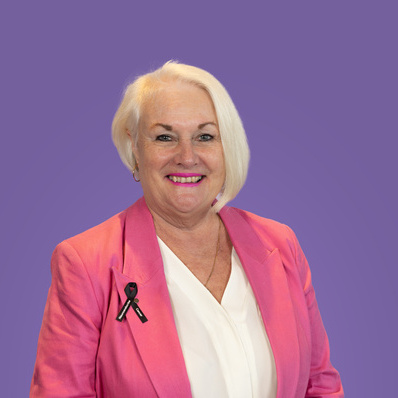
Meredith Cummins
Meredith is a highly driven and dedicated health professional who thrives on delivering world class care to cancer patients and enhancing the skills of other health professionals to deliver this care. She has been involved in Oncology for the past 35 years in metropolitan, rural, international, public and private settings.
Meredith has a Graduate Certificate in Oncology Nursing, Grad Certificate in Clinical Management, and a Graduate Diploma in Business. Meredith has been a member of the CNSA NSW Sydney Group for the past 10 years holding the position of Pharmaceutical Liaison Officer, and for the past 5 years to current the position of Chair. She has been on the organising committee for CNSA Annual Congress when it was held in Sydney and has coordinated and facilitated 2 Pre-Congress symposiums.
Meredith is currently the Chief Executive Officer for NeuroEndocrine Cancer Australia and is embracing the opportunity to continue in developing and delivering World Class cancer care for neuroendocrine cancer. She has contributed to developing education materials for health professionals and patients internationally and been on Advisory Boards globally.
Meredith is also the current Chair of the CNSA Finance, Audit and Risk Committee.
- Phone:
- 0419 287 585
- LinkedIn:
- https://linkedin.com/in/meredith-cummins-240029a7/

Mark Lock
Mark is a Chartered Governance Professional who works with membership organisations, not-for-profits and small businesses to support best-practice governance, strategy, change and risk management.
Mark’s early career involved working as a pharmacist, managing pharmacies across several states in Australia including rural regions of Victoria and remote areas of the Kimberley and Pilbara in Western Australia before moving into a career as an executive leader and CEO in health membership and education associations.
Mark has an MBA, a Graduate Diploma in Applied Corporate Governance and Risk Management, is a Graduate of the Australian Institute of Company Directors, and holds Fellowships with the Governance Institute of Australia, the Australian and New Zealand College of Advanced Pharmacy and the Chartered Governance Institute. Mark is a director on several boards of organisations in health, disability and community associations.
As someone with lived experience as a cancer patient, Mark has a deep understanding and appreciation for the critical role and impact that cancer nurses have on the lives of patients and their families.

Gabby Vigar
Gabby Vigar has been a cancer nurse for over 24 years, both in the inpatient and ambulatory care setting and in a variety of different roles. Gabby's main area of cancer nursing expertise is Radiation Oncology nursing. Her current role is Nurse Unit Manager of Radiation Oncology at the Royal Adelaide Hospital, a position which she has held for over 6 years. Recently Gabby has expanded her Nurse Unit Manager role to include the management of the Cancer Outpatients Nursing Team and Cancer Administration Team Leader. Gabby very much enjoy's the opportunity to influence cancer nurses/nursing, particularly in the area of full scope of practice based on evidence.
Gabby has also worked in a number of state wide cancer nursing and project roles, which included federally funded cancer projects looking at cancer workforce issues and more recently as a Nurse Consultant for SA Cancer Service which gave her experience in state wide and national cancer initiatives. Gabby is currently a committee member of the South Australian Cancer Clinical Network. Gabby has a Graduate Diploma in Oncology Nursing and a Master of Nursing Science (Oncology Nursing). She is also currently the Deputy Chair of the CNSA Radiation Oncology Special Practice Network (RON SPN) and Chair of the CNSA South Australian State Group (SA SG).
- Phone:
- 0438 038 957

Sue Bartlett
Sue works as a Medical Oncology Nurse Practitioner at Bayside Health. She has worked in various clinical, coordinator and project management roles in metropolitan, regional and rural centres which has allowed her to develop many varied skills and knowledge in leadership and management, quality and safety risk, management, consumer involvement, education, practice development and research. Sue is passionate about regional and rural health provision and ensuring equitable patient access to specialised cancer care for regional and rural patients.
Sue has been a member of CNSA since 2008 and over the years has become involved within CNSA committees both within Victoria State Group as Chair until March 2021 and is the current secretary of the Cancer Nurse Practitioner Specialist Practice Network. She completed her Graduate Certificate in Cancer & Palliative Care in 2008 and completed her Masters of Advanced Nursing Practice - Nurse Practitioner in Medical Oncology at the University of Melbourne in 2018.
Sue has been involved in multiple nurse led service provisions including establishing and implementing the Symptom & Urgent Review Clinic (SURC) at Grampians Health Ballarat along with developing and rolling out an immunotherapy patient alert card used throughout regional Victoria.
- Phone:
- 0438 330 485
- LinkedIn:
- https://linkedin.com/in/sue-bartlett-021b4a1b0/

Gillian Blanchard
Gillian is an Oncology Nurse Practitioner at the Calvary Mater Newcastle, NSW, Australia and has been working in Oncology with a clinical focus for the last 25 years.She currently holds a conjoint lecturer position with the University of Newcastle and has been actively involved in the CNSA for more than 20 years. She has held positions as both Deputy Chair and Chair and committee member of the CNP SPN and the former Hunter Regional Group. Gillian is also an active committee member of the International Society of Nurses in Cancer Care.
Gillian is actively involved in many current oncology projects around symptom management and clinical redesign as both principal investigator and co-investigator and has published in these areas. She has a strong interest in supportive care, immuno-oncology and endocrinopathies and is driven to improve patient’s cancer experiences.
In her spare time Gillian provide assistance locally to nurses writing for publication and also provides medico-legal reports as an expert witness, and also continues her interest in Integrative Oncology currently studying a degree in complementary therapies

Dr Nicole Gavin
Nicole Gavin is an experienced nurse leader, clinician researcher, and strategic advisor with over two decades of expertise in haematology, stem cell transplantation, and cancer care. She currently serves as Director of Nursing and Midwifery – Research & Academy at Metro North Health and in a conjoint academic appointment with Queensland University of Technology.
Nicole completed her Doctor of Philosophy at Griffith University and holds a Graduate Certificate in Health Service Innovation. She is undertaking the Australian College of Nursing Nurse to Board program (in partnership with the Australian Institute of Company Directors), strengthening her governance, risk, and strategic leadership capability.
She has an extensive background in haematology nursing and clinical research, leading studies that improve supportive care, vascular access, and patient outcomes and experiences. Nationally, she has contributed to CNSA as former Chair and current Academic Advisor of the Vascular Access Device and Infusion Therapy Specialist Practice Network, co-leading the development of evidence-based clinical guidelines.
As a CNSA Board Director, Nicole is committed to strengthening the voice of cancer nurses, advancing nursing-led research, and promoting equitable access to high-quality cancer care.

Justin Hargeaves
Born and raised in Bendigo, Justin completed his Bachelor of Nursing at Latrobe University Bendigo in 2003 and went on to complete his graduate nursing year at Peter MacCallum Cancer Centre in 2004 working in Haematology and Lung cancer. Justin has been employed at Bendigo Health in the chemotherapy unit since 2005 working as a clinical nurse specialist and administering chemotherapy. He’s also Chair of CNSA’s Cancer Nurse Practitioner Specialist Practice Network.
Justin completed his Master of Advanced Nursing Practice at the University of Melbourne in 2009 and has been working as an endorsed nurse practitioner since 2010 at the Bendigo Cancer Centre working full time. Justin’s main role a nurse practitioner is in patient assessment and chemotherapy toxicity management with interests in breast cancer survivorship, oral chemotherapy, and supportive care, has a keen interest in central venous access device management and is an experienced PICC line inserter.
Portfolio Reports
Continuing Professional Development
Education remains central to CNSA's purpose of supporting excellence in cancer nursing and strengthening the cancer nursing workforce across Australia. Throughout the 2025–26 reporting period, CNSA delivered a comprehensive program of continuing professional development opportunities designed to support nurses at every stage of their career, from those new to cancer care through to advanced and specialist practitioners.
A major focus of the year was the continued expansion of accessible, evidence-based education delivered through a combination of webinars, workshops, communities of practice, special interest groups, conferences and strategic national projects. CNSA's education activities are designed to improve clinical knowledge, support professional growth, foster leadership and ultimately enhance outcomes for people affected by cancer.
Tune in Tuesday Webinar Series
The Tune in Tuesday webinar series continued to be a cornerstone of CNSA's education program, providing members and non-members with regular access to contemporary, evidence-based cancer nursing education. Delivered online and accessible nationally, the series covered a broad range of topics reflecting emerging evidence, changing models of care and areas identified by members as important to their practice.
Topics delivered during the reporting period included immunotherapy and targeted therapies, financial toxicity, survivorship, supportive care, symptom management, sexual health, advanced cancer care, nurse-led models of care and emerging treatment approaches. Webinars attracted strong participation from metropolitan, regional and rural nurses, with recordings made available on demand to support flexible learning and ongoing access to CPD opportunities.
Cancer Nursing 101 Series
Supported by the McGrath Foundation, the Cancer Nursing 101 webinar series continued to grow as an important workforce development initiative. Developed specifically for nurses new to cancer care, the series provides foundational knowledge aligned to contemporary cancer nursing practice and addresses a recognised need for structured introductory education within the specialty.
Delivered monthly, topics include cancer biology, treatment modalities, symptom management, communication, supportive care and key principles of safe cancer care delivery. Feedback from participants has been overwhelmingly positive, with the series attracting strong engagement from novice cancer nurses, nurses transitioning into oncology settings and experienced clinicians seeking to refresh core knowledge.
Face-to-Face Education and Skills Development
CNSA continued to deliver the Difficult Intravenous Access (DIVA) Workshop Program across Australia, including regional and rural locations where access to specialised education can be limited. These workshops provide practical, hands-on training in ultrasound-guided peripheral intravenous access and vascular access assessment for clinicians caring for people with cancer.
The program has demonstrated significant benefits for both clinicians and patients, including increased first-attempt cannulation success rates, improved clinician confidence, reduced procedure-related distress and enhanced patient experience. By reducing repeated insertion attempts, the program also contributes to improved efficiency and reduced healthcare costs.
National Workforce Education Initiatives
A significant achievement was the continued development of the Australian Cancer Nursing Capability Framework (AusCaN Framework), a landmark national project being undertaken in partnership with Flinders University and guided by an expert advisory group.
The framework is being developed through a rigorous evidence-based process including a global literature review, stakeholder consultation, focus groups and national consensus-building activities. Once launched, the framework will provide a nationally consistent capability structure describing the knowledge, skills and behaviours required across cancer nursing practice from foundational through to advanced levels.
The AusCaN Framework will support nurses, educators, employers and health services by providing greater clarity around professional development pathways, workforce planning and educational requirements for cancer nursing practice.
National Cancer Nurse Education Portal
CNSA also progressed development of the National Cancer Nurse Education Portal, funded through the Australian Government Cancer Patient Support Program and delivered in partnership with APNA through the Florence learning platform.
The portal represents one of the most significant education initiatives undertaken by CNSA and will provide cancer nurses with access to a comprehensive, searchable repository of high-quality educational resources from across Australia and will assist nurses to identify education relevant to their role, experience and learning goals.
The portal will significantly improve access to education, particularly for nurses working in rural, regional and remote settings, and will help reduce duplication while promoting nationally consistent cancer nursing education.
Looking Ahead
As CNSA continues to grow its education portfolio, the organisation remains committed to ensuring cancer nurses have access to high-quality, contemporary and accessible professional development opportunities. The forthcoming launch of both the AusCaN Framework and the National Cancer Nurse Education Portal represents a transformational step forward for cancer nursing education in Australia and will provide a strong foundation for workforce development for years to come.
CNSA gratefully acknowledges the support of its education partners, sponsors, presenters, committee members, volunteers and subject matter experts who contribute their time and expertise to strengthen cancer nursing education across Australia.
Membership and Events
The 2025–26 year has been characterised by steady growth, deeper engagement, and an ongoing commitment to supporting cancer nurses at every stage of their careers. Across education, mentoring, membership, and community-building initiatives, CNSA has continued to expand opportunities for professional development, connection, and collaboration. The year's achievements reflect both the strength of our membership and our shared commitment to advancing cancer nursing practice across Australia.
The Early Career Membership category, introduced in 2024, has continued to grow strongly and remains an important pathway for engaging nurses at the beginning of their cancer nursing careers. Membership in this category has now reached 262 nurses, representing approximately 12.6% of the total CNSA membership. This growth reflects the value of providing tailored benefits, opportunities, and communications that support nurses in the first years of practice.
In-person engagement also continued to expand, with CNSA delivering 19 face-to-face events throughout the year. These events were led in partnership with State Groups and Specialist Practice Networks and provided valuable opportunities for knowledge sharing, networking, and professional development at a local level. We encourage you to read more about these activities within the Committees section of this report.
Membership figures continued their strong upward trajectory, increasing from approximately 2,200 members to more than 2,300 over the past 12 months. This sustained growth highlights the ongoing relevance of CNSA to cancer nurses across all career stages and demonstrates the value members place on belonging to a national professional community.
The growing popularity of our national Communities of Practice has been another highlight. Seven Communities of Practice—focusing on Breast Cancer, Nurse Educators, Nurse Executives and Managers, Rare Cancers, Melanoma, Sarcoma, and Gastrointestinal cancers—have continued to foster collaboration, knowledge exchange, and peer support. These groups are helping to connect cancer nurses across geographical boundaries and facilitate the sharing of expertise and innovation. During the year, CNSA also laid the foundations for the launch of Gynaecological and Survivorship Communities of Practice in 2026.
Professional development opportunities were strengthened through the delivery of the Research Pathway Mentorship Program. This research-focused mentoring initiative connected participants with experienced researchers and leaders, helping to build research capability and confidence among cancer nurses. The program was particularly well suited to early career nurses interested in developing their research skills and contributed to a growing culture of inquiry and evidence-based practice. During the year, we also laid the groundwork for the launch of the 2026 CNSA Mentoring Program.
One of the year's most inspiring moments was the celebration of the second annual Cancer Nurses Day on 14 August. With the theme “Strong. Skilled. Specialised.” once again at the heart of the campaign, the day recognised the remarkable contributions of the 7,700 cancer nurses nationwide who play a pivotal role in improving patient outcomes. More than 4,000 cancer nurses participated in over 300 events held across regional, rural, and metropolitan hospitals and healthcare organisations throughout Australia. The campaign brought together healthcare professionals, consumers, and industry partners to celebrate the essential role of cancer nurses and raise awareness of the complexity and impact of cancer care.
The Membership and Events team remains committed to fostering a strong and engaged professional community through initiatives that support learning, leadership, connection, and recognition. As CNSA continues to grow, we look forward to building on the momentum of 2025–26 and creating even more opportunities for members to connect, contribute, and thrive, including the next Cancer Nurses Day on 13 August 2026.
Policy and Advocacy
Government Submissions and Consultations
As the peak body for cancer nursing in Australia, CNSA provides submissions to national consultations and government inquiries on behalf of its members. CNSA members have contributed to the following:
| Government / Organisation | Consultation Topic | Contributors | Date |
|---|---|---|---|
| Australasian Society for HIV, Viral Hepatitis and Sexual Health Medicine | Optimal Care Pathway for LGBTQI+ People Affected by Cancer | Nicole McCarthy, Steering Committee nominee | May 2025 |
| Thoracic Society of Australia and New Zealand | National Lung Cancer Screening Program Resources | Cassandra Mazza provided feedback | May 2025 |
| Australian Commission on Safety and Quality in Health Care | NSQHS Standards | VAD&IT SPN provided feedback | Sep 2025 |
| Royal Australian and New Zealand College of Radiologists | Brachytherapy Guidelines | CNSA | Oct 2025 |
| ECORRA / Deakin University / Cancer Council | Optimal Care Pathway for People Living in Rural and Remote Communities | CNSA | Oct 2025 |
| Agency for Clinical Innovation | Gynaecological Cancers Toolkit | Gynaecological Oncology SPN provided feedback | Jan 2026 |
| Cancer Australia | Australian Cancer Plan – 2-Year Implementation Review | CNSA | Feb 2026 |
| Senate Rural and Regional Affairs and Transport Committee | Inquiry into Rural and Remote Medicare Access | Joint CNSA / ACNP / ANZUNS submission | Mar 2026 |
Advocacy Opportunities
CNSA members represent the organisation in an advisory capacity for cancer control sector groups to provide insights and advocate for the needs of cancer nurses, including:
| Committee / Working Group | CNSA Representative(s) |
|---|---|
| Australian Cancer Nursing and Navigation Program (ACNNP) | Expert Advisory Group – Anne Mellon Cancer Nurses Working Group – Gabby Vigar |
| Coalition of National Nursing and Midwifery Organisations | Meredith Cummins |
| Cancer Australia Intercollegiate Advisory Group | Anne Mellon |
| Radiation Oncology Alliance | Jemma Still, Margie Hjorth and Kirsten Oatway |
Cancer Nursing Workforce Survey
The second Cancer Nursing Workforce Survey was conducted in 2025. Survey questions were updated from the 2022 survey with the support of the Research Standing Committee (RSC) to remain relevant and capture longitudinal data on trends in cancer nursing. The survey was conducted from June to August 2025. A working group of the RSC has been convened to review and analyse the data and develop a publication to promote the insights gained, due in Q3 2026.
Cancer Nursing Framework
The Australian Cancer Nursing Capability Framework (AusCaN) is a modern, evidence-informed national resource developed by CNSA and Flinders University. The framework builds on the National Cancer Nursing Education Project (EdCaN) and has been updated to reflect the evolving landscape of contemporary cancer care and support the needs of Australian cancer nurses. The framework is due to be launched at CNSA Congress in June 2026.
Cancer Nursing Educational Portal
In 2025, CNSA was awarded nearly $1 million in grant funding from the Australian Government as part of the ACNNP Patient Support Grant program. These funds are being used to develop a Cancer Nursing Education Portal. CNSA is partnering with the Australian Primary Health Care Nurses Association (APNA) to deliver a Cancer Learning Hub on their Florence platform. This will provide a centralised hub that enables nurses to access relevant, high-quality, evidence-based education. A pilot version of the learning hub will be launched at CNSA Congress in June 2026.
Marketing and Partnerships
Building on the momentum of 2024-2025, our marketing and partnership activities remained focused on raising awareness, amplifying the voices of cancer nurses, and strengthening the sustainability of our organisation through meaningful national partnerships.
Since its launch in December 2024, our new national website has become a cornerstone of CNSA's communications strategy. As the central hub for our education, advocacy and member support initiatives, the platform enables a more personalised user experience while enhancing member engagement, increasing visibility, and reinforcing the CNSA brand.
By using data-driven approaches and timely content, we’ve seen ongoing growth across all social media platforms. LinkedIn has retained its importance for engaging professionals, partners and sector leaders, while Instagram has proven a powerful channel in reaching our early-career cancer nurses. Together, each of our social channels (including Facebook & X) have helped expand our reach, strengthen engagement with existing members, and elevate the visibility of cancer nursing across Australia’s health landscape.
The establishment of national partnership agreements early in 2025 laid the foundations for strong and enduring collaborations with organisations that share our commitment to delivering the best possible outcomes for people affected by cancer. These partnerships delivered visibility, engagement and impact for partners throughout the year, whilst driving organisational efficiency, enhancing educational opportunities, and increasing value for our members.
Our valued partnerships with GSK, Lilly, AstraZeneca|Daiichi Sankyo, Menarini, MooGoo and Slater + Gordon were all renewed in 2026, reflecting the strength of these collaborations and the strong relationships built over the past year. Their continued support demonstrates a shared commitment to advancing cancer nursing practice across the country.
Across all marketing and partnership activity, our focus has remained on showcasing the professionalism, expertise, and impact of cancer nurses. Our strategic communications, digital activity and collaborative partnerships have strengthened connections across our growing community and elevated the profile of cancer nursing nationally. As we look to the future, we will continue to build on this momentum, seeking new opportunities to connect, collaborate and grow our collective impact while supporting the vital work of our members.
Annual Congress
The 2025 CNSA & ISNCC Congress brought together 1,154 delegates from Australia and around the world for an outstanding four days of learning, collaboration and professional connection in Adelaide. Held in partnership with the International Society of Nurses in Cancer Care (ISNCC), the Congress was the largest and most internationally diverse event in CNSA's history, reinforcing Australia's position as a global leader in cancer nursing.
Under the theme Global Voices, Local Actions: From Inspiration to Implementation, delegates gathered to share knowledge, exchange ideas and explore innovative approaches to improving outcomes for people affected by cancer. The partnership with ISNCC elevated the Congress to a truly international platform, attracting delegates from more than 20 countries and creating valuable opportunities for global collaboration and networking.
The scientific program was the most comprehensive ever delivered by CNSA, featuring eight pre-Congress symposiums, six concurrent streams, five plenary sessions, six sponsored breakfast sessions and more than 300 abstract presentations. The Congress received an extraordinary 773 abstract submissions, resulting in 124 oral presentations, 43 rapid oral presentations and 152 poster presentations showcasing cancer nursing research, innovation and quality improvement initiatives from across Australia and internationally.
The Congress also welcomed a distinguished group of international keynote speakers from Canada, Malaysia and the United States, alongside an exceptional line-up of Australian leaders in cancer care, policy, research and nursing practice. Together, they delivered thought-provoking presentations that challenged delegates to consider how global innovations can be translated into local practice.
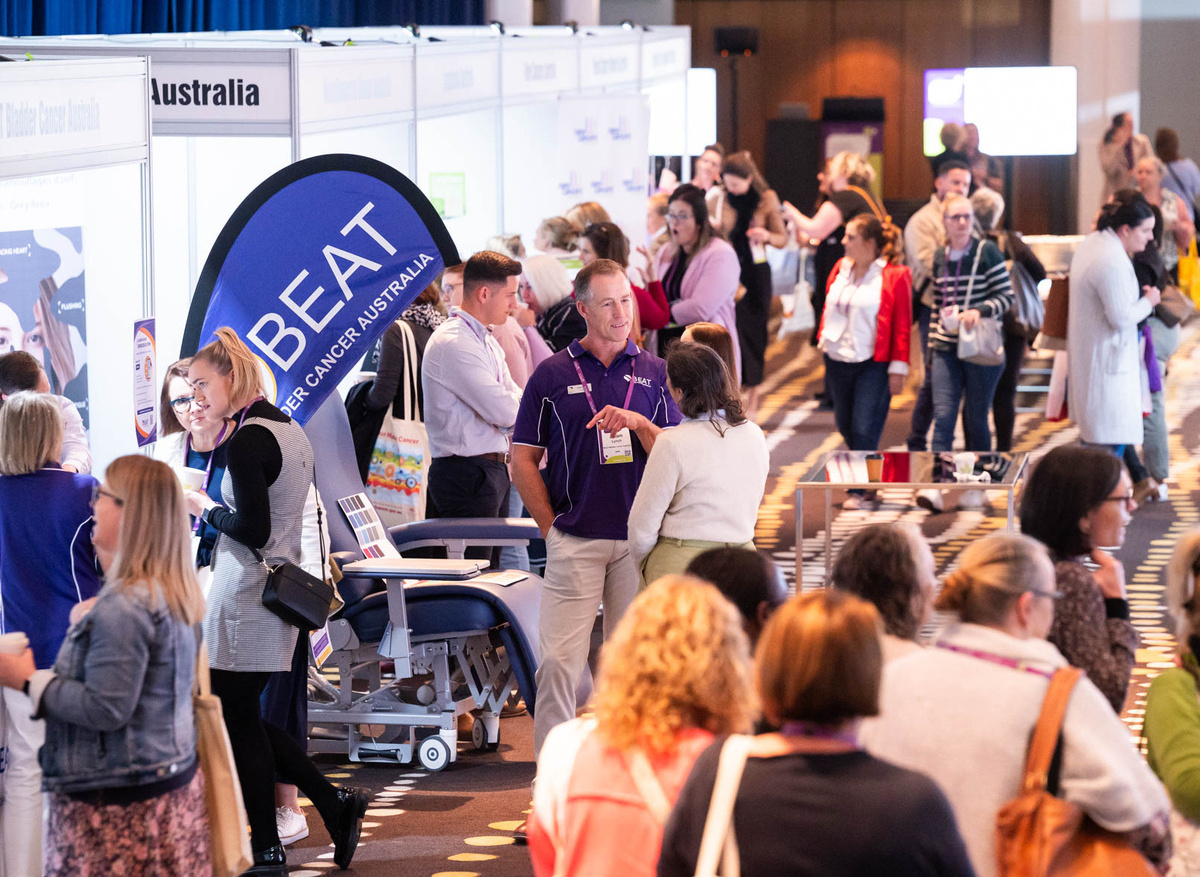
Industry engagement reached record levels, with more than 70 exhibition booths and a broad range of pharmaceutical, medical device, skincare and not-for-profit organisations participating in the exhibition. The Congress generated more than $547,000 in sponsorship and exhibition revenue, reflecting the strong support of industry partners and the value they place on engaging with the cancer nursing workforce.
Beyond the scientific program, the Congress provided numerous opportunities for delegates to connect and celebrate the profession through the Welcome Reception, networking events, educational dinner and the return of the Gala Dinner and Awards Night. These events highlighted the strength, passion and collegiality of the cancer nursing community while recognising excellence in research, education and clinical practice.
The success of the Congress was made possible through the dedication of the Congress Committee, CNSA Board, ISNCC partners, speakers, abstract reviewers, sponsors, exhibitors, volunteers and delegates. Most importantly, it demonstrated the power of bringing together cancer nurses from across Australia and around the world to learn from one another, strengthen professional networks and advance excellence in cancer care.
As we reflect on this landmark event, we thank every delegate, partner and supporter who contributed to its success and helped make the 2025 CNSA & ISNCC Congress a truly memorable celebration of cancer nursing.
Standing Committees
Education Standing Committee
Throughout 2025-26 reporting period the Education Standing Committee (ESC) continues to play an important role in supporting education and workforce development initiatives for the Cancer Nurses Society of Australia (CNSA).
The ESC continues to oversee the annual Continuing Professional Development (CPD) Grants program for CNSA. A comprehensive end-to-end review of the program was undertaken resulting in enhancements to the application, review and reporting process for 2026. This enhanced process included the introduction of a rapid oral presentations to be delivered by successful grant recipients to fellow members within CNSAs existing webinar series. This initiative is aimed at increasing visibility and sharing of successful grant recipients CPD experience and learnings. Throughout the reporting period ESC supported the award of 6 CNSA CPD travel grants and 1 Breast and Prostate Association Queensland (BPCAQ) grant.
ESC continues to play an important role in supporting the Australian Cancer Nursing Capability Framework (AusCaN) project team and looks forward to continuing this important work in 2026 to support the widespread implementation of the framework into cancer nursing practice.
The ESC also continues to play a vital advisory role to the education portal workgroup in introducing the Florence application to support connection and navigation of cancer nursing education, as well as undertaking an advisory role to support an important cancer education gap analysis project team.
Looking ahead the committee looks forward to partnering with colleagues across Australia to support the Health Education Services Australia led development of Specialist Practice Standards for cancer nursing, as well as continued work implementing and imbedding AusCaN.
In 2026 ESC will undergo renewed membership to support our future goals, and we thank Dr Carla Thamm for her leadership as Chair of the Education Standing Committee; along with Robyn McIntyre for her significant contribution to the committee over many years.
Thank you to all Committee members for their expertise, time and ongoing commitment to strengthening cancer nursing education across Australia.
Research Standing Committee
The Research Standing Committee continued to strengthen CNSA’s role in supporting nurse-led research, building research capability and promoting the translation of evidence into cancer nursing practice - with the Committee playing a pivotal role in updating and distributing the 2025 Cancer Nursing Workforce Survey. This major national initiative was designed to strengthen understanding of the cancer nursing workforce, including workforce pressures, career intentions, professional development needs and the factors influencing retention across Australia.
The Committee’s contribution helped ensure the survey reflected the contemporary experience of cancer nurses and captured data that can support future workforce planning, advocacy and policy development. The strong response from cancer nurses across the country will provide CNSA with an important evidence base to inform its national priorities.
Another key focus during the year was the CNSA Research Grants program, which supports projects addressing important clinical and service-delivery questions. The grants provide cancer nurses with opportunities to generate evidence grounded in practice and improve outcomes for people affected by cancer.
Dr Kerrie Curtis received a CNSA Research Grant to investigate the impact of vascular access on people living with and beyond cancer. The project will build understanding of the physical, emotional and practical effects of vascular access and help inform improvements in care during treatment and survivorship.
Ashley Stirling received a CNSA Research Grant to undertake a cost analysis of teleoncology. This work will contribute valuable evidence about the sustainability and value of teleoncology models, particularly for people accessing cancer care in regional, rural and remote communities.
The Committee also develoepd a pilot Research Pathway Program, which provided structured guidance and mentorship for cancer nurses seeking to develop a clinical question into a feasible research project. The program created an accessible entry point into research and supported the confidence and capability of emerging nurse researchers.
During the year, Liz Moore stepped down as Chair of the Research Standing Committee. We sincerely thanks Liz for her leadership, expertise and commitment to strengthening cancer nursing research and acknowledges the strong foundation she established for the Committee’s future work.
CNSA also acknowledges the members of the Research Standing Committee, grant reviewers, mentors and other contributors who shared their time and expertise throughout the year. The Committee will continue to support emerging researchers and strengthen the evidence base for cancer nursing practice.
The Year in Photos
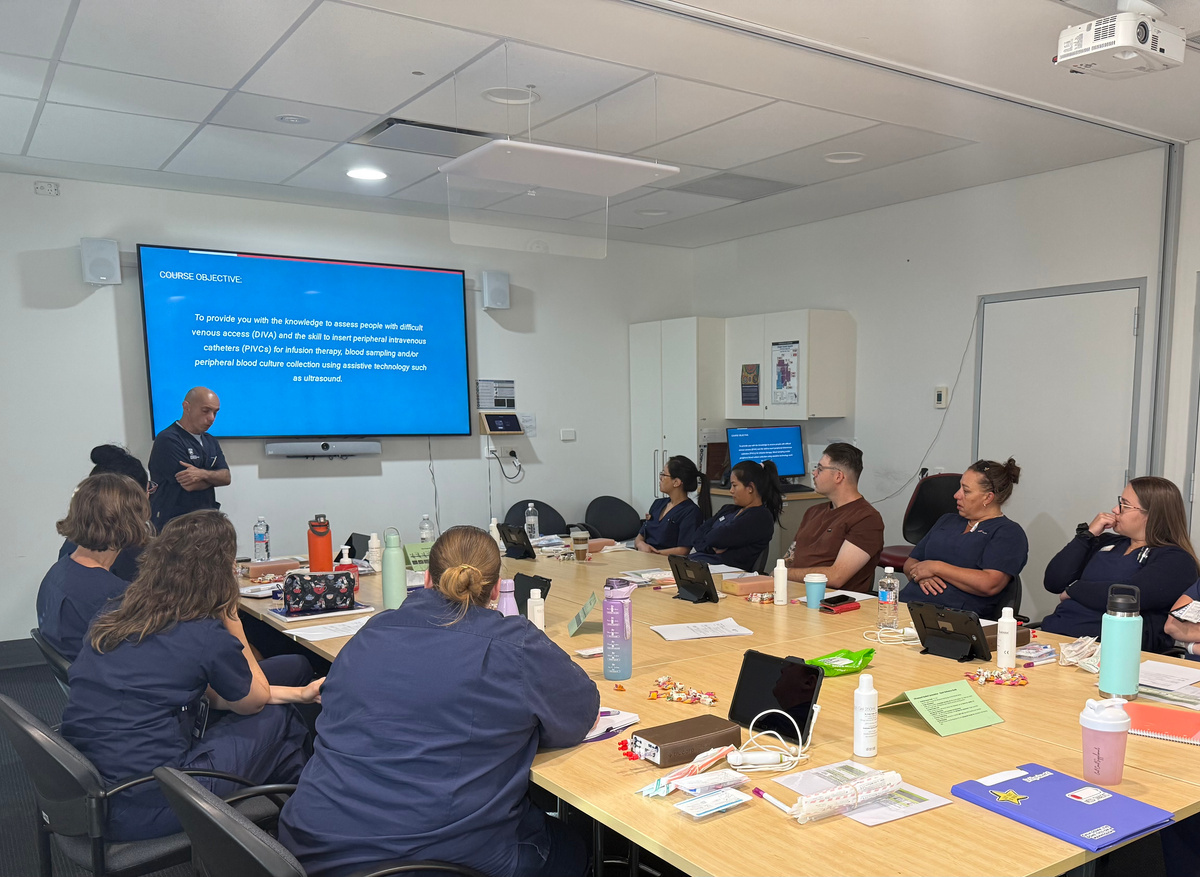
Participants at our DIVA Workshop in Orange
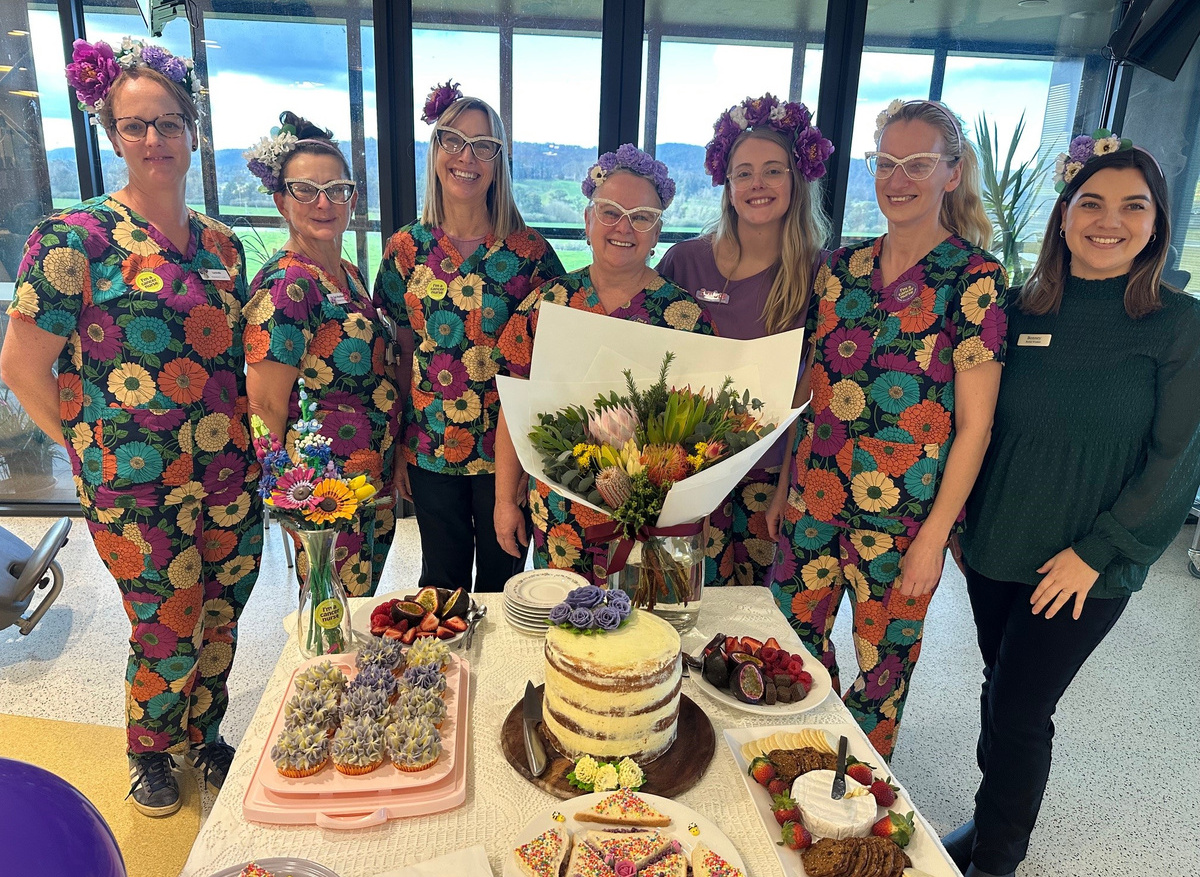
2025 CND photos
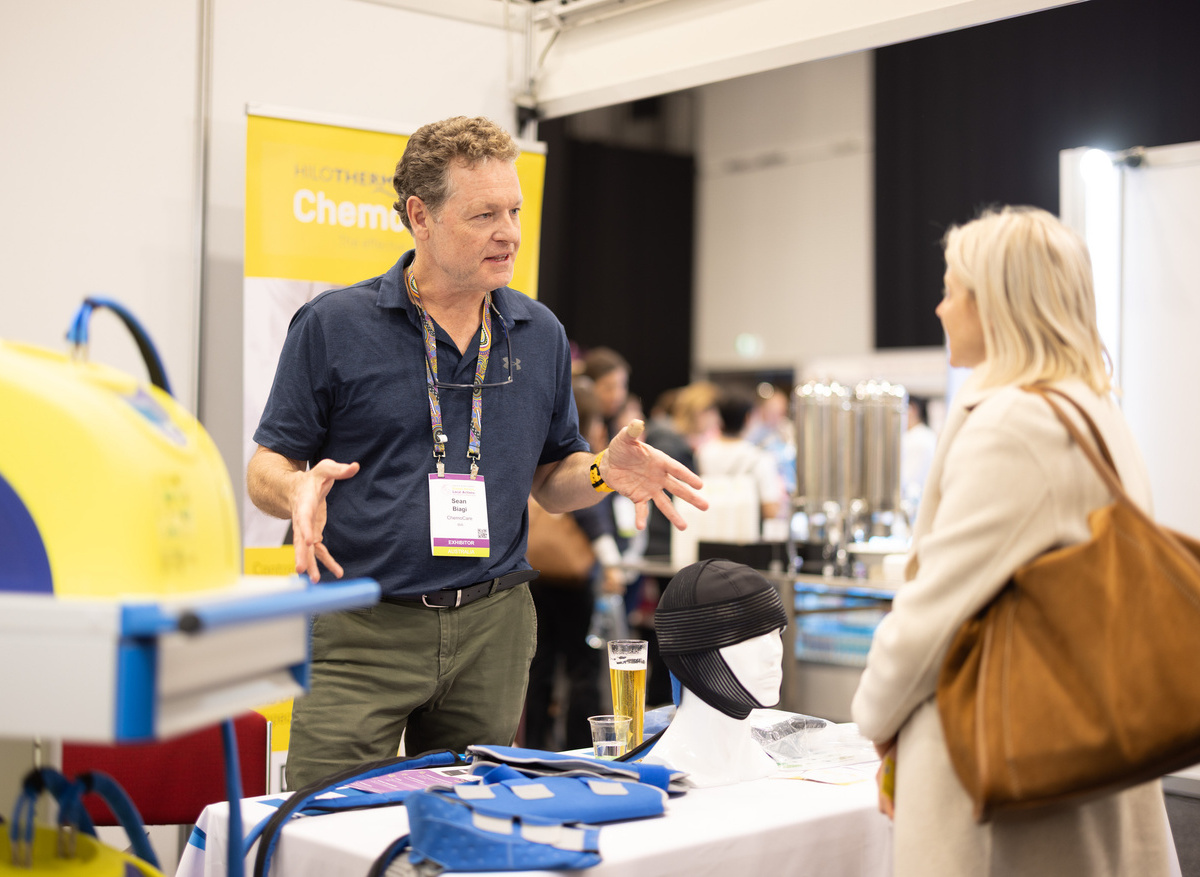
2025 Congress Expo
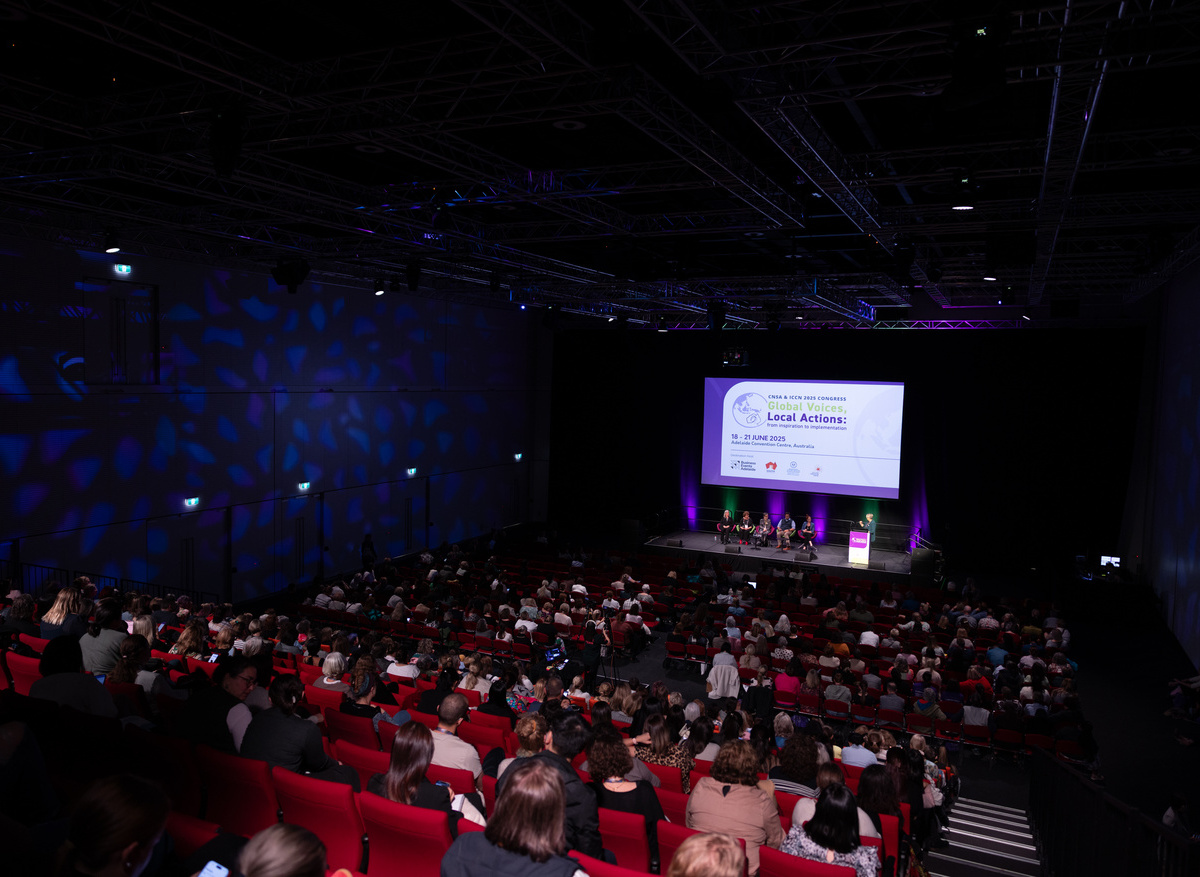
Congress Image 1
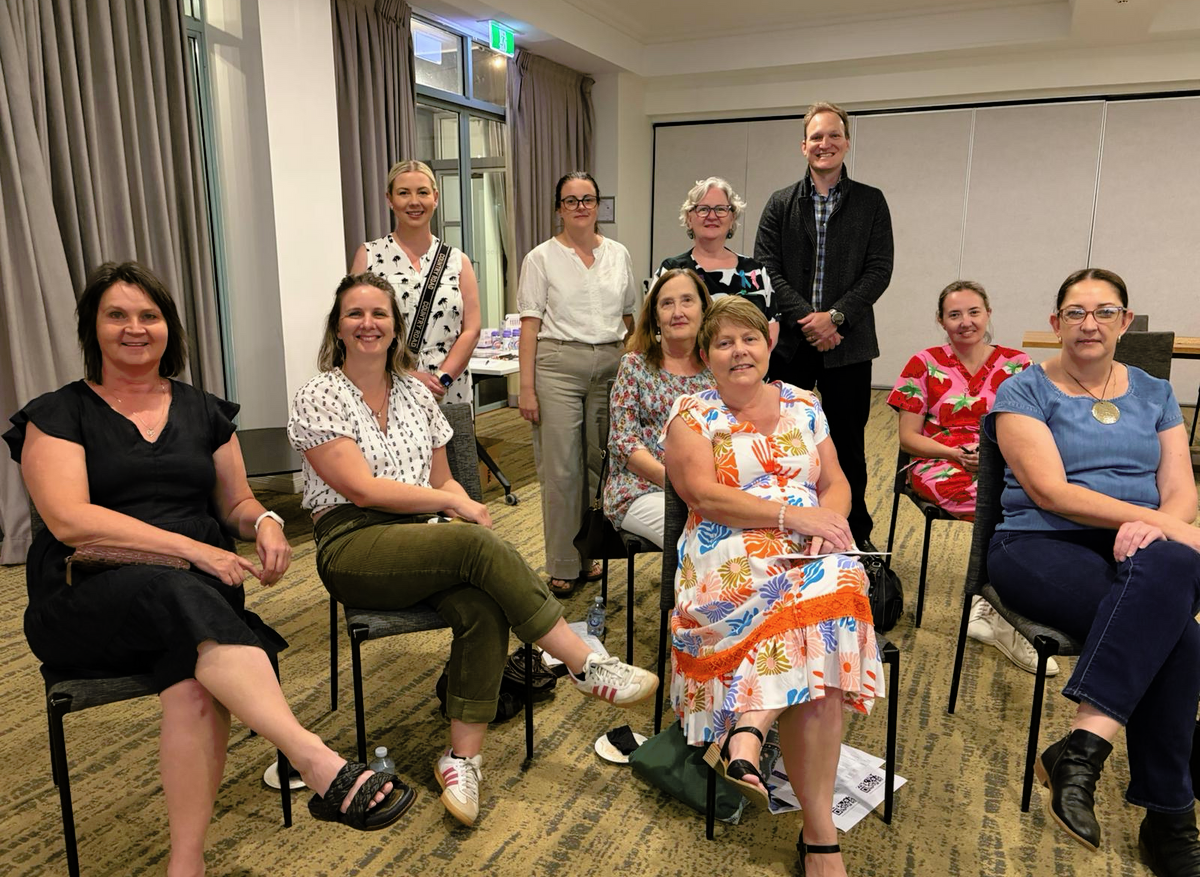
QLD NT Colorectal Cancer Event
Congress Image 3
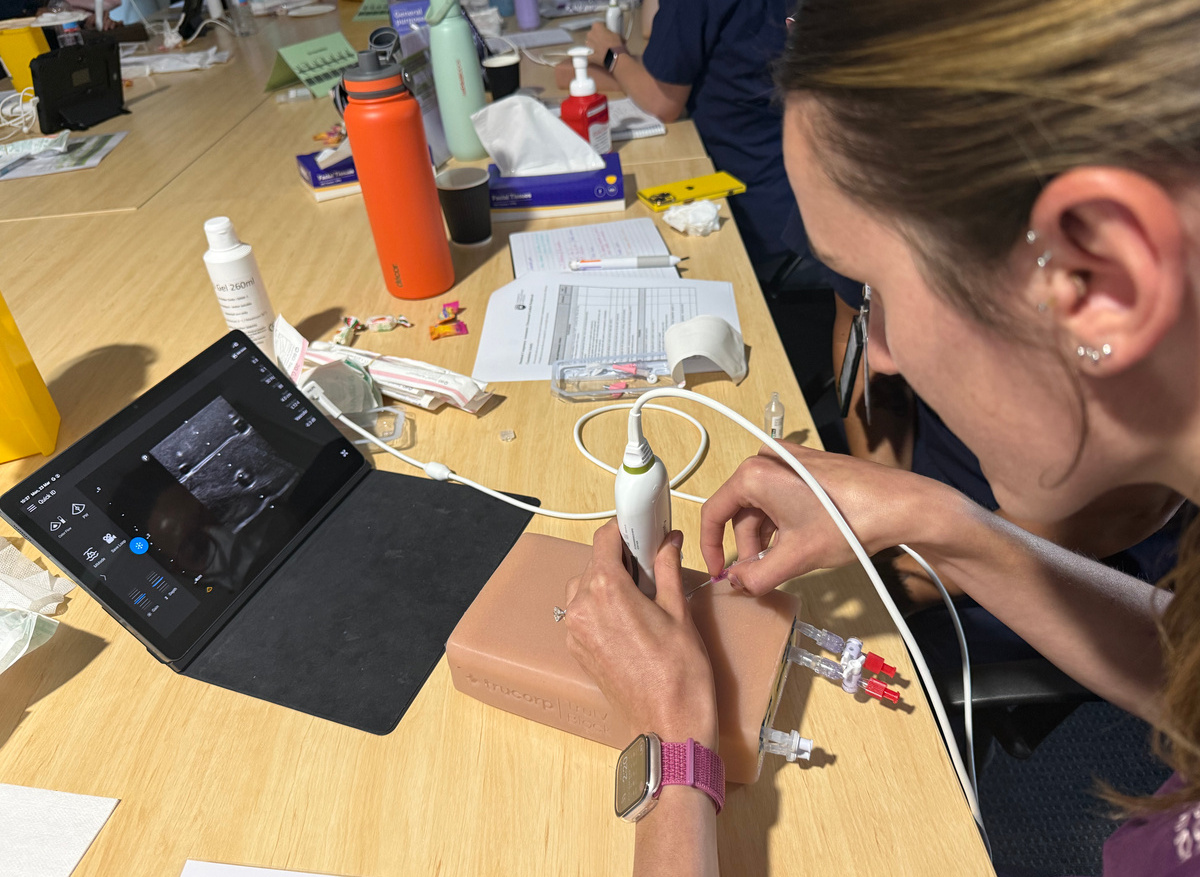
Attendees enjoying the practical nature of the workshop
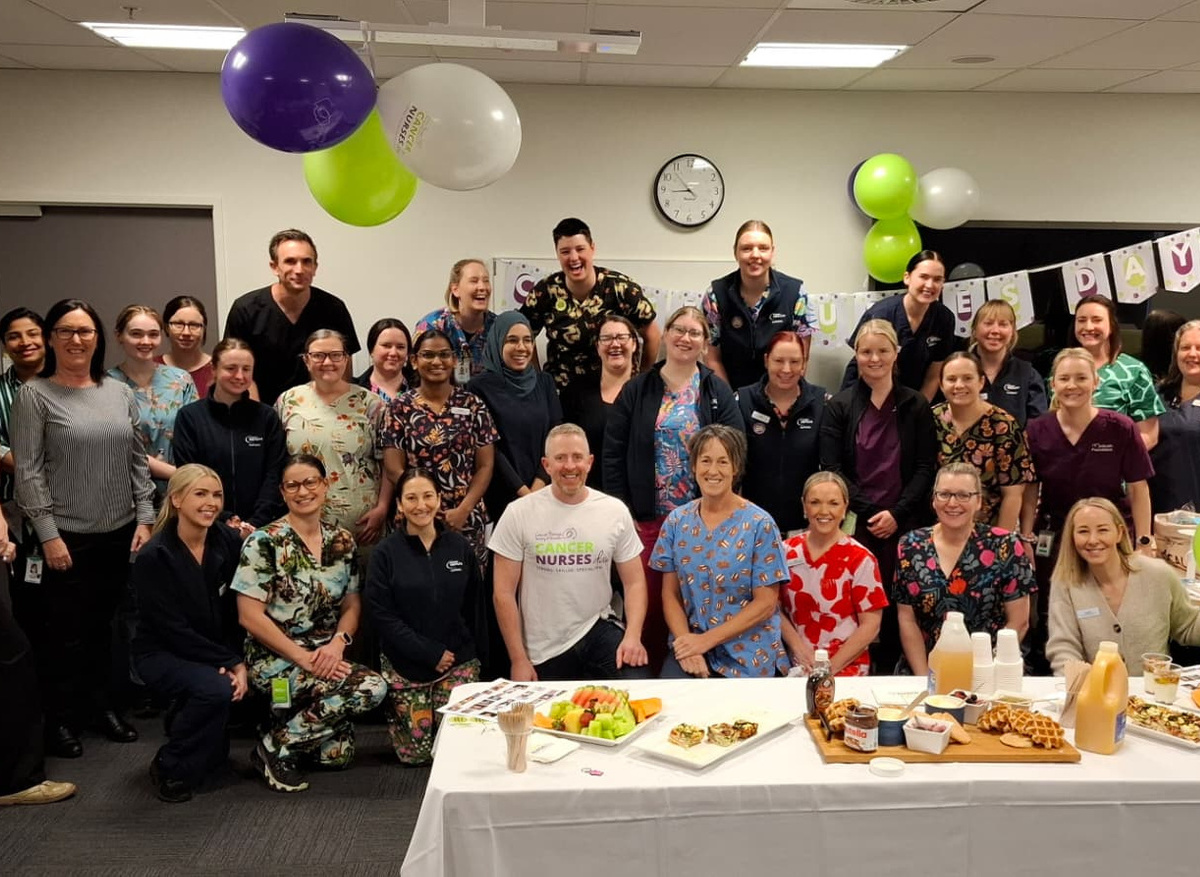
2025 CND photos
Specialist Practice Networks
Cancer Nurse Practitioners Specialist Practice Network
The Cancer Nurse Practitioner Specialist Practice Network (CNP SPN) continued to provide education, networking and professional development opportunities for Cancer Nurse Practitioners and Nurse Practitioner students across Australia.
In June 2025, the CNP SPN delivered a one-day workshop alongside the CNSA Congress, attended by more than 50 Nurse Practitioners and Nurse Practitioner students. The workshop focused on cardiovascular issues commonly encountered in people affected by cancer and provided an opportunity for participants to learn from expert presenters and connect with colleagues from around the country.
The Network continued this educational focus in November, delivering a two-day Masterclass in Adelaide attended by approximately 50 Nurse Practitioners and Nurse Practitioner students. Day one focused on communication, mental health, clinician burnout and resilience, while day two explored prescribing and pharmacology. The event was supported by five sponsors and provided valuable opportunities for education and networking.
Throughout the year, the Committee also focused on planning future educational activities. Preparations commenced for a workshop at the 2026 CNSA Congress and a further two-day Masterclass to be held alongside the Clinical Oncology Society of Australia (COSA) Annual Scientific Meeting.
The Committee continued to support the Cancer Nurse Practitioner Mentoring Program, with several members collaborating on a manuscript examining the program and its outcomes. Publication is anticipated in the coming year.
Membership of the Network continued to grow, with more than 110 Nurse Practitioners and Nurse Practitioner students participating in the group. The Committee also undertook recruitment activities to strengthen its Executive Committee and ensure ongoing leadership for the Network.
As Chair, I would like to thank Marissa Stevens and past Chair Justin Hargreaves, who stepped down from the Committee during the year. I would also like to thank our sponsors for their continued support and collaboration with the CNP SPN.
Radiation Oncology Nurses Specialist Practice Network
The Radiation Oncology Specialist Practice Network (RON SPN) continued to support radiation oncology nurses through education, resource development and Committee-led projects.
A key focus during the year was promoting the new eviQ Radiation Oncology Nursing Learning Modules. The first module was released in 2025, with additional modules planned. Committee members actively supported promotion of these resources to the broader cancer nursing community and encouraged uptake across radiation oncology services.
Education remained a central priority for the Network. Following the successful delivery of the 2025 pre-Congress symposium, the Committee reviewed participant feedback and identified opportunities to further strengthen specialist education offerings. This work culminated in the successful delivery of the 2026 CNSA Congress pre-Congress symposium, Integrating Innovations in Radiation Therapy, which attracted more than 120 delegates. The symposium explored advances in radiation therapy, innovative approaches to wound management, the latest technological developments in practice, and strategies for supporting LGBTQI patients in cancer care. The strong attendance and engagement reflected the growing interest in contemporary radiation oncology nursing practice and the value of specialist education in this field.
Committee membership was another significant focus throughout the year. The Network undertook recruitment activities at Congress and through an expression of interest process, resulting in several new members joining the Committee. By November 2025, the Committee had grown to 10 active members, increasing its capacity to undertake future activities and projects.
The Committee also celebrated the acceptance of a research paper for publication in the Journal of Medical Imaging and Radiation Oncology, representing the culmination of a significant body of work undertaken by Committee members and contributing to the evidence base for radiation oncology nursing practice.
In early 2026, the Committee commenced a review of the radiation oncology nursing content within the Radiation Oncology Practice Standards (ROPS) and contributed to discussions regarding nominations for the Ian Roos Award.
As Chair, I would like to thank all Committee members for their contribution, expertise and commitment throughout the year.
Gyneacological Oncology Nurses Specialist Practice Network
The Gynaecological Specialist Practice Network (GYN SPN) continued to focus on education, project development and professional engagement throughout the year.
A major area of activity was the ongoing GYN Care Project, which continued under the leadership of Nat Williams and the project working group. Significant progress was made in developing this innovative online resource, with content creation, review and stakeholder engagement continuing throughout the year. The project is now approaching its next phase, with plans to showcase the resource and share project outcomes with the broader cancer nursing community in 2026.
The Committee also continued work on the Vulval Wound Care Project and explored opportunities to develop a multi-site quality improvement initiative to strengthen evidence-based care in gynaecological oncology settings.
Education remained a key focus for the Network. The GYN SPN pre-Congress symposium at the CNSA & ICCN Congress reached capacity and attracted a waitlist of attendees, demonstrating strong demand for specialist education in gynaecological cancer nursing. The symposium, From Little Things, Big Things Grow: Innovations in Gynaecological Cancer Nursing Practice, showcased emerging and practice-changing developments in care, including cervical screening innovations, the Oncofertility Specialist Nurse role, cancer survivorship clinics, the Peter Mac CanSleep program, and the development of gynaecological oncology nursing resources.
Committee members maintained a strong presence at national and international meetings throughout the year. Anne Mellon attended the ANZGOG meeting in South Africa, while Bron Jennings and Nat Williams represented the SPN at COSA in Adelaide. Bron presented in a breakfast session and participated in a Tumour Board plenary, while Nat presented a poster on clinical trial resource development through CNSA. Bron also delivered a Cancer Nursing 101 webinar, supporting the development of novice and early-career cancer nurses.
The Committee welcomed two new members, Erin from New South Wales and Kate from Queensland, further strengthening the Network's representation and expertise.
Building on the success of its educational activities, the SPN secured approval for a full-day workshop at the 2026 CNSA Congress and has commenced development of a program covering a broad range of topics relevant to gynaecological cancer nursing practice.
As Chair, I would like to thank all Committee members for their contribution, passion and commitment throughout the year.
Vascular Access Devices and Infusion Therapy Specialist Practice Network
The Vascular Access Device and Infusion Therapy Specialist Practice Network (VAD&IT SPN) continued to progress a number of significant projects focused on vascular access practice, guideline development, education and professional advocacy.
A major area of work during the year was the ongoing review and development of vascular access guidelines. Committee members continued literature reviews examining vascular access device patency and vessel health and preservation, while also commencing work on a third topic focused on dressing and securement for peripheral and central vascular access devices. This work involved collaboration with a medical librarian to refine search strategies and identify the highest quality evidence to inform future guidance documents.
Education and professional development remained a strong focus. The SPN successfully delivered a well-attended pre-Congress symposium at the CNSA & ICCN Congress, bringing together an international audience to explore contemporary issues in vascular access practice. Topics included standardisation of vascular access device terminology, implementation of evidence-based vascular access practices, management of patients with difficult intravenous access and interactive discussion of emerging clinical challenges. The symposium showcased the work of the SPN and provided an important platform for knowledge sharing and professional networking.
The Committee also continued to support the delivery and growth of Difficult Intravenous Access (DIVA) education initiatives, helping nurses build confidence and capability in assessing and managing patients with complex vascular access needs. These educational activities continue to receive strong interest from clinicians across Australia.
The Committee worked with Clare Lynex to provide feedback on the third edition of the National Safety and Quality Health Service Standards. Areas of focus included vascular access device management, monitoring and surveillance, minimum datasets, patient experience and the potential development of a clinical care standard for central venous access devices.
Another significant project involved preparing a response to recommendations published by the Australian and New Zealand College of Anaesthetists regarding venepuncture and cannulation in patients with previous axillary lymph node dissection. Committee members reviewed and critiqued the cited evidence, met with the lead author and commenced preparation of a formal response. Opportunities for collaboration with the Clinical Oncology Society of Australia and the Australasian Lymphology Society were also explored.
The Committee also continued discussions regarding an international consensus project focused on standardised nomenclature for vascular access devices, recognising the importance of consistent terminology across clinical, educational and research settings.
As Chair, I would like to acknowledge Carolyn Meredith, who resigned from the Committee after many years of contribution, including her role as Lead of the Patency Subcommittee. I would also extend best wishes to Jane Guy during her maternity leave and thank all Committee members for their ongoing commitment, expertise and dedication to advancing vascular access practice.
State Groups
NSW - Hunter Group
The NSW Hunter State Group delivered a varied and energetic program across the year, with events that moved from Congress highlights through to lung cancer updates, fertility, pregnancy and sexual health.
In July, the group hosted Best of the Best CNSA/ICCN & Assessing your Patient in the Era of Chemo/IO and Targeted Therapy, attended by 39 participants. This event brought the learning from Congress back into the local setting and gave members an opportunity to engage with case-based discussion on the management of patients receiving systemic cancer therapies.
In November, Shine the Light on Lung Cancer: A Lung Cancer Update Including the National Screening Program attracted 54 attendees. The timing of this event was particularly relevant, supporting nurses to understand developments in lung cancer care and the implications of the National Lung Cancer Screening Program for patients, families and clinicians.
The group began 2026 with Nurturing New Beginnings: Unveiling Fertility, Pregnancy & Sexual Health for Cancer Patients, attended by 47 participants. This session opened up important conversations about fertility, pregnancy and sexual wellbeing across treatment and survivorship, helping nurses strengthen both their clinical knowledge and their confidence in discussing sensitive issues with patients.
The Hunter State Group’s program demonstrated the value of locally led education that is responsive, practical and deeply connected to the needs of cancer nurses and the people they care for.
NSW - Mid North Coast Group
The NSW Mid North Coast State Group delivered a practical and locally relevant education program that supported nurses across key points in the cancer care pathway.
The group’s August event, Cancer Screening: What is Available and How Effective Is It?, attracted 41 attendees and explored the role and effectiveness of cancer screening programs. This provided a valuable opportunity for nurses to strengthen their understanding of prevention, early detection and population-level approaches to cancer care.
In November, Interpreting a Cancer Diagnosis: Lessons We’ve Learnt Along the Way, brought together 36 attendees to follow the journey of a tumour specimen from biopsy through to biomarker testing, radiology and diagnosis. The session helped demystify the diagnostic pathway and supported nurses to better understand the information that underpins treatment planning and patient conversations.
The group’s March event, Treating People Close to End of Life, attracted 39 attendees and explored one of the most complex areas of cancer care. The session focused on recognising end-of-life needs, managing symptoms, navigating goals of care and supporting patients and families through sensitive conversations.
Across the year, the Mid North Coast State Group created accessible local learning opportunities that were grounded in everyday clinical practice and responsive to the realities of caring for people across diagnosis, treatment and end of life.
NSW - Sydney Group
The NSW Sydney State Group combined professional education, specialist practice updates and visible celebration of cancer nursing during the reporting period.
In August, the group marked Cancer Nurses Day with the Cancer Nurses Bridge to Bridge Walk, bringing together 20 participants to connect, celebrate and show pride in the profession. While different in format from traditional education events, the walk was an important reminder that connection and celebration are also part of building a strong professional community.
In October, the group hosted Managing Late-Stage Disease and Associated Complexities, and Optimising Targeted and Combination Therapies, attended by 38 participants. The event explored advanced targeted and combination therapies, multidisciplinary care and the practical challenges of managing symptoms and quality of life in advanced disease.
The group closed the reporting year with All About Radiation Oncology Nursing, attended by 43 participants. This evening event explored current developments in radiation oncology nursing, including wound-care innovations, updated education modules and emerging evidence on the radiation oncology nursing workforce.
The Sydney State Group’s activities reflected the breadth of local member interests, from clinical complexity and specialist nursing practice through to celebration, visibility and peer connection.
SA Group
The South Australia State Group delivered a rich and practical education program in 2025–26, with events that reflected both the complexity of cancer care and the importance of bringing specialist knowledge closer to nurses across the state.
The year began with What’s New in Brain Cancer, attended by 47 participants, which explored developments in brain cancer care, from emerging therapies through to supportive care innovation. This was followed by a full-day Head and Neck Cancer Workshop in August, which attracted 59 attendees and provided an in-depth opportunity for nurses to build confidence in an area of practice that can involve complex treatment pathways, symptom burden, communication challenges and long-term supportive care needs.
In November, the group hosted Looking at the New Treatments for Colorectal Cancer, attended by 45 participants. The event brought together clinical updates and lived experience, helping nurses connect emerging treatment options with the real-world experiences of people living with colorectal cancer.
Across these three events, the SA State Group created valuable opportunities for nurses to pause, learn, connect and reflect on the changing nature of cancer care. The group’s program also demonstrated the importance of face-to-face professional development in supporting peer connection and local clinical networks.
As Chair, I would like to thank Erin Shooter and Karen Buckley who have stood down from the committee. Their contributions to the committee have been invaluable. We would also like to Thank our event sponsors: NRF, Gilead, Astra Zeneca, Genesis Care, Moo Goo, GSK and MSD. Without their support, we wouldn't have been able to deliver these educational events.
WA Group
The Western Australia State Group focused on specialist practice and future-facing education during the reporting period, delivering events that supported nurses to stay current in rapidly evolving areas of cancer care.
In August, Haematological Malignancies Update 2025 brought together 59 attendees for a workshop exploring leukaemia, lymphoma and multiple myeloma. The event responded to the pace of change in haematology care and gave nurses an opportunity to deepen their understanding of treatment developments, patient management and supportive care considerations.
The group continued this future-focused theme in February with Next Generation Gynae-Oncology Nursing, attended by 53 participants. This breakfast seminar explored what is happening now and what is emerging in gynaecological cancer care, with attention to evidence-informed strategies across diagnosis, treatment and survivorship.
Together, these events reflected the WA State Group’s commitment to education that is clinically current, practical and relevant to nurses working across specialist cancer services. The group also continued to support connection across Western Australia, recognising the importance of professional development opportunities for both metropolitan and regional members.
VIC & TAS Group
The Victoria and Tasmania State Group delivered a thoughtful program that recognised both the professional and personal dimensions of cancer nursing.
A major focus for the group was communication, with Sad, Bad and Difficult News: Strategies for Meaningful Connections delivered in both Victoria and Tasmania. The Victorian workshop attracted 36 attendees, while the Tasmanian session attracted 30 attendees. Led by healthcare communication expert Meg Chiswell, the sessions gave nurses practical strategies for person-centred conversations, particularly in moments that can be emotionally complex for patients, families, and clinicians.
In March, the group responded to member interest in doing something different by hosting a Rest and Recovery Wellness Evening for Cancer Nurses, attended by 20 participants. This event created space for nurses to focus on restoration, mindfulness, connection, and burnout prevention. It was a valuable reminder that sustaining the cancer nursing workforce requires more than clinical education alone, and that it also requires opportunities for nurses to care for themselves and each other.
The VIC/TAS State Group’s program stood out for its human focus. It supported nurses not only to communicate more effectively in practice, but also to recognise their own wellbeing as central to safe, compassionate, and sustainable care.
The Co-Chairs would like to thank Jennifer Francie and Jessica Morgan who have stood down from the committee for the support provided organising and hosting events during their tenure. We would also like to thank our valued sponsors for enabling us to host events; AstraZeneca, Solventum & BD.
QLD & NT Group
The Queensland and Northern Territory State Group had a standout year for accessible education, using multi-site delivery to connect nurses across one of CNSA’s largest geographic regions.
The group’s October event, From Mutation to Management: Multidisciplinary Colorectal Cancer Care, brought together 103 attendees to explore the evolving role of tumour somatic mutations, including KRAS, in colorectal cancer care. The event helped translate a complex and rapidly developing area of cancer treatment into practical knowledge for nurses, with a strong focus on multidisciplinary care, biomarkers, targeted treatment and patient support.
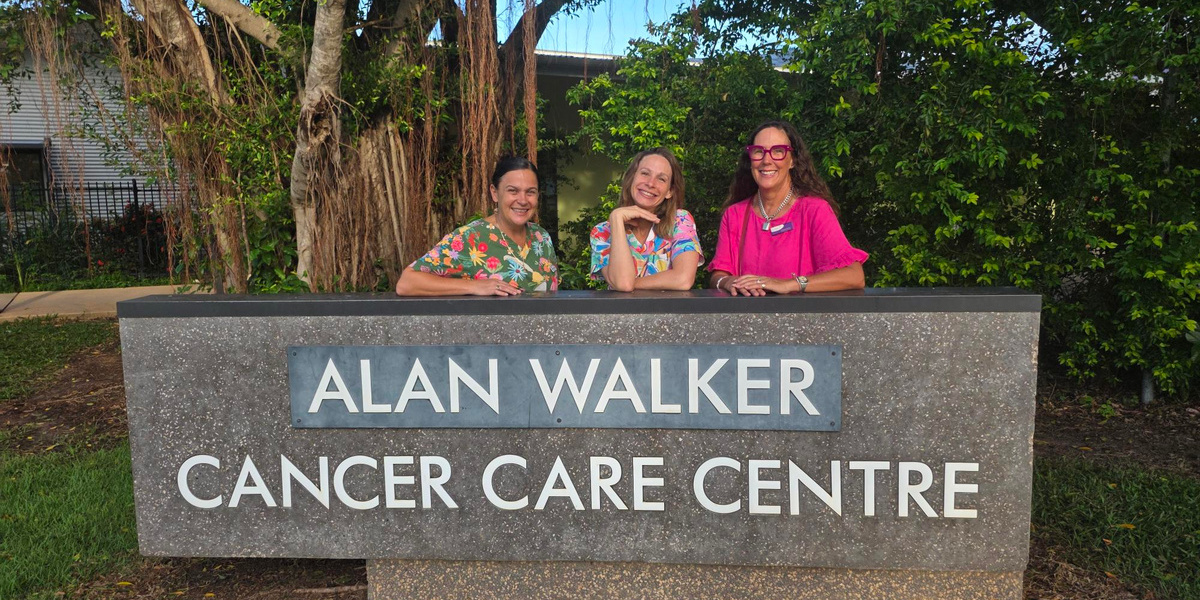
In March 2026, the group delivered one of the most accessible State Group events of the year. Turning down the hormones, turning up the heat: Endocrine Therapy & Sexual Wellbeing in Breast Cancer reached 114 attendees across nine live venues in Queensland and the Northern Territory. This included streaming live to Darwin for the first time and connecting with a new cohort of cancer nurses. The event combined a clinical update on endocrine therapy with an important conversation about intimacy, sexual wellbeing and quality of life, giving nurses practical strategies to support patients through issues that are often deeply personal and under-discussed.
These events reflected the group’s commitment to ensuring nurses across Queensland and the Northern Territory, including those outside major metropolitan centres, can access relevant, high-quality education and remain connected to the broader cancer nursing community.